IEBC chair candidate Kissinger proposes AI to improve voter education, party nominations
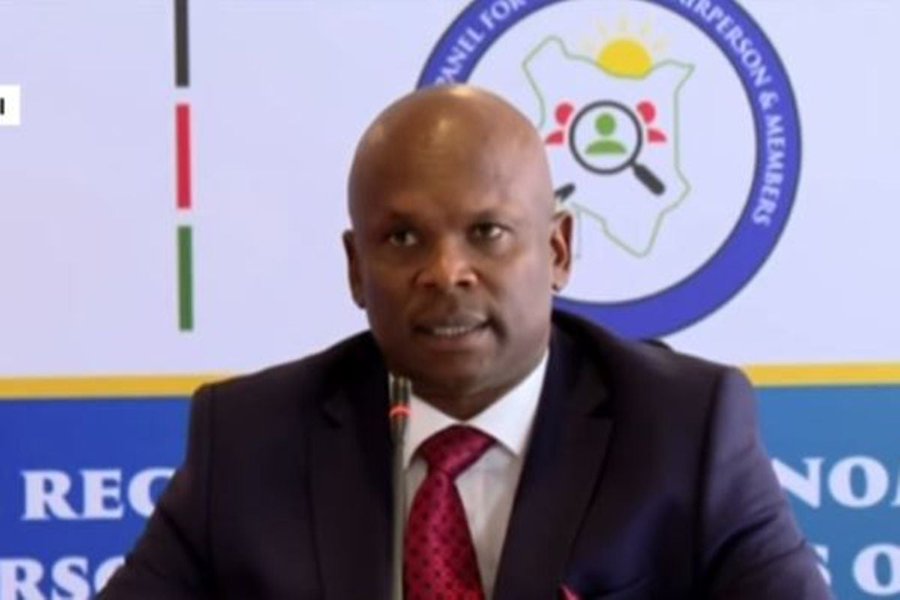
Kissinger emphasised that AI could play a key role in reaching a broader audience with timely, accurate information, ultimately improving voter participation and awareness.
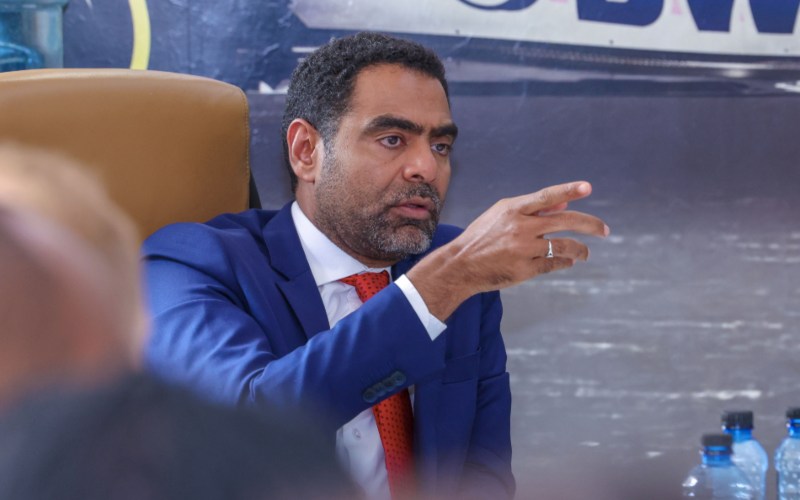
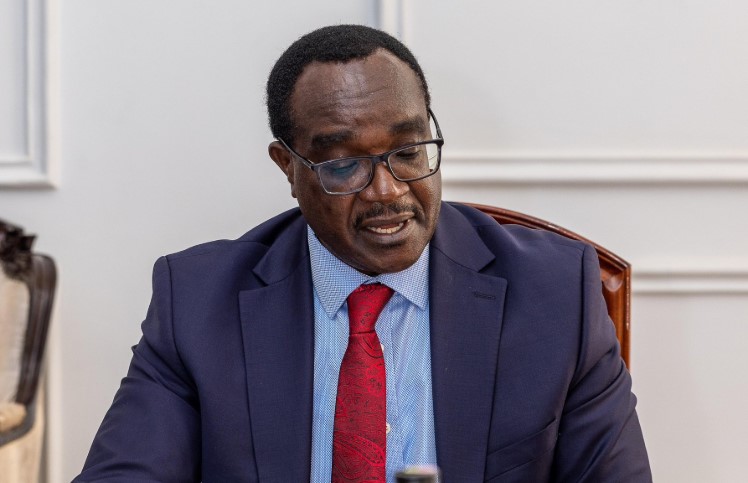
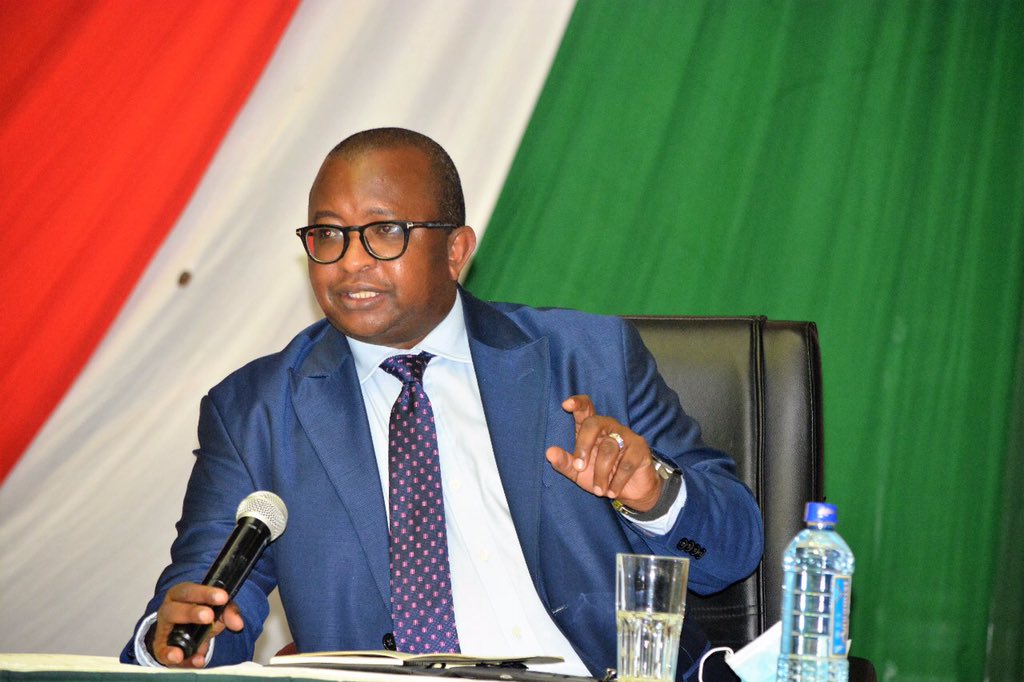
IEBC chairperson candidate Francis Kakai Kissinger has proposed the integration of technology to enhance the efficiency of political party nominations and reduce the costs associated with elections.
During his appearance before the IEBC selection panel, Kissinger emphasised the potential benefits of using artificial intelligence (AI) to improve voter education, suggesting that AI could be key in modernising the electoral process.
More To Read
- Google launches Workspace Studio, enabling anyone to build Gemini-powered AI agents
- ChatGPT could soon tap into Apple Health data for personalised wellness insights
- Gulf region paves the way to become digital data hub
- Apple names new AI chief amid pressure to catch up
- Rights experts sound alarm on AI’s potential to target activists, undermine electoral integrity
- ChatGPT, Copilot forced off WhatsApp as Meta enforces new AI restrictions
Kissinger emphasised that AI could play a key role in reaching a broader audience with timely, accurate information, ultimately improving voter participation and awareness.
He believes this technological approach will help to ensure more informed voters and boost overall engagement in the electoral process.
In addition, Kissinger highlighted the potential of technology to modernise party nomination processes, which have faced challenges in past elections.
By utilising technology, Kissinger suggested, political parties could reduce errors, improve transparency, and create a more efficient and inclusive nomination system.
He also pointed to the lack of implementation of Section 18 of the IEBC Act, which allows for the formation of the IEBC Fund.
"Up to now, we do not have it because it is yet to be implemented. The IEBC fund will ensure the money that is not coming from the exchequer is acquired from other development partners and accounted for to enhance the electoral process," he said.
He emphasised that without the fund, the IEBC faces challenges in ensuring a stable and sustainable funding model, which is essential for enhancing the electoral process.
"The IEBC Fund is good, but the money coming from external partners is not enough to fully support the commission's work," he said.
Kissinger highlighted restoring the IEBC's credibility as a key challenge. He acknowledged the significant trust deficit between the commission and various stakeholders, including political parties and voters.
He emphasised the importance of confidence in the commission for the smooth conduct of elections, saying, "We have two years to the general elections, so once I am elected, I will ensure the credibility of the commission comes first and ensure that the correct stakeholders are in place."
Kissinger said that improving the IEBC's credibility would be a cornerstone of his leadership, and he committed to ensuring that all necessary reforms would be undertaken to restore public trust.
He also said he would address the gaps in electoral law, which he believes continue to hinder the IEBC's effectiveness.
Top Stories Today